Severe Weather Preparedness and Recovery During COVID-19 - Convergence of Climate-Health-Vulnerabilities
This post is part of a series on the convergence of COVID-19 and weather/climate. Each post covers only part of the complex, evolving situation we all are trying to prepare for, respond to, and learn from. Therefore, any recommendations should be considered within your individual geographic, economic, and social context.
Showing posts with label Village Health Concerns. Show all posts
Showing posts with label Village Health Concerns. Show all posts
Severe Weather Preparedness & Recovery During COVID-19


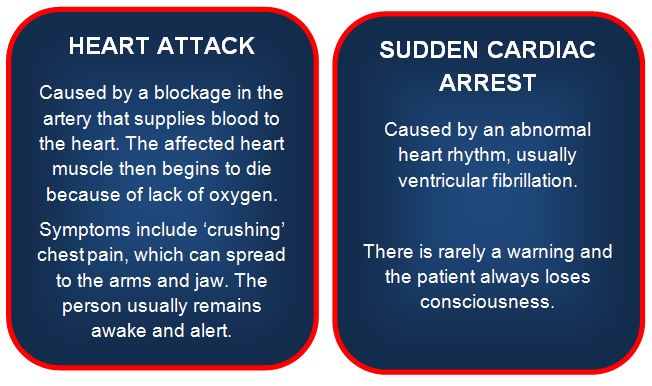
Learn Bystander CPR in February 2020 Organized by Fearrington Cares
- Friday. February 07, 2020 and Saturday February 08, 2020 at 9:00 a.m. to 12:00 noon.
- Thursday, February 06, 2020 and Wednesday, February 19, 2020 at 5:00 p.m. to 8:00 p.m. at The Gathering Place
Fearrington Cares will be sponsoring four American Heart Association bystander CPR training classes in February 2020. Each class must have four to six Villagers.
Read more about this training.
Registration is required; please call the Fearrington Cares Center (919-542- 6877) for more information or to register for a class. The charge is $45 per person, payable at the class.

Fearrington Cares operates exclusively for charitable and educational purposes and in a manner consistent with Section 501(c)(3) of the Internal Revenue Code.
New Study Finds Lyme Bacteria Survive a 28-Day Course of Antibiotics
New study finds Lyme bacteria survive a 28-day course of antibiotics
Press release from Tulane University, December 13, 2017: Bay Area Lyme Foundation, a leading sponsor of Lyme disease research in the U.S., today announced results of two papers published in the peer-reviewed journals PLOS ONE and American Journal of Pathology , that seem to support claims of lingering symptoms reported by many patients who have already received antibiotic treatment for the disease.
Tick Tack Doe FHA Community Program 7:00 PM on September 05, 2017
LIVING WITH DEER (AND OTHER MAMMALS) AND THE TICKS THEY HARBOR
FHA Open Meeting Tuesday, September 5, 7:00 PM. Presented by: Maggie Tunstall, M.Ed in Science and former Director of Classroom Programs, National Wildlife Federation and Dr. AnneMarie Riether, Adjunct Professor, UNC School of Medicine.
The presentation will be followed by a Village Hall discussion.
Research Shows Drones Delivering AEDs (Defibrillators) May Save Many Lives
Defibrillator-carrying drones could save lives, research suggests
Drones are already employed for anything from military to recreational use, from oil exploration to filmmaking, but they could also help save the lives of people who have suffered a cardiac arrest, research suggests. A simulated study found that drones carrying a defibrillator, which could be used by a member of the public, arrived 16 minutes quicker than the emergency services on average, saving precious time.
Mosquito Control Advice for Village Homeowners

According to Dr. Michael Waldvogel, Department of Entomology and Extension Associate. Professor & Specialist, Structural & Industrial Pests at North Carolina State University, to control the risk of mosquitoes in the community, there actually needs to be a community-wide education program emphasizing homeowner responsibility to inspect and control the great many breeding sources that exist and are largely ignored.
 |
| Small round mosquito dunks protect up to 100 sq.ft. for up to 30 days and can be broken into smaller pieces for smaller areas. Not practical for very large areas. |
Residents should be encouraged to keep mosquitoes from laying eggs inside and outside of our homes. Items in and around homes can collect water:
Suggestions include: once a week, empty and scrub, turn over, cover, or throw out containers that hold water, such as:
⨀ vases, ⨀ pet water bowls, ⨀ flowerpot saucers, ⨀ rain barrels with open unscreened tops, ⨀ buckets, tarps and outdoor furniture covers that sag and collect rainwater, ⨀ birdbaths, ⨀ trash cans, ⨀ wheelbarrows and garden carts left outside should be turned upside down, ⨀ and gutters and stormwater drains around the house should be inspected to be sure they are not holding any standing water.
Overall conclusions:
- A community’s mosquito problems are proportional to the level of residents’ understanding that the large number of breeding sources in even small pools of standing water around (especially) new homes without developed lawns are one of the largest sources of the problem and, hence, prime areas for prevention and mitigation. Neighbors need to assume some direct responsibility for monitoring and controlling such sources.
- Paying attention to several large stormwater pools, where water may sit for short periods of time, is important, but is dwarfed by the much larger number of unrecognized breeding sources.
Community Health Advisory

During the summer months copperheads are more nocturnal. Residents who go outside in the dark should take a flashlight to see what is in front of them and be aware that snakes are not just in the wooded areas, but can be right in front of your house at night, especially on sidewalks and in, or around, bushes and shrubbery.
According to the North Carolina State University Cooperative Extension Service, copperheads can be found from the Florida panhandle north to Massachusetts and west to Nebraska, and they bite more people in most years than any other U.S. species of snake. Unlike most venomous snakes, copperheads give no warning signs and strike almost immediately if they feel threatened.
While their bite is very rarely (almost never) fatal to humans (small pets are a different matter), the bite often results in temporary tissue damage in the immediate area of bite, and secondary infection can sometimes occur. Children and elderly and people with compromised immune systems may have strong reactions to the venom, however, and anyone who is bitten by a copperhead should always seek prompt medical attention.
Health Hazards: Please Don't Feed the Deer -- Commonly Mistaken Kindness
It's a Serious Health Problem for the Deer, and for Humans Too

How so; read the details below:
Many people are mortified to find out that by feeding deer their good intentions may have done more harm than good.
The root of this problem is that many people relate to deer as they relate to people. Seeing deer in the neighborhood during frigid temperatures, many of us imagine how we would feel, even though we are not deer ourselves.
They’ll Survive
White-tailed deer are well adapted to surviving during cold weather as well as year-round. They prepare in the summer and fall by eating more and adding layers of fat. When winter arrives, they become more sedentary, they eat less, and they use their stored fat. They have adequate supplies of natural food, including twigs, buds, and stems.
Those who feed large amounts of corn, especially in the winter, do the most damage because a deer's winter digestive system cannot handle a high carbohydrate diet such as corn.
Jerry Feaser, a spokesman for the Pennsylvania Game Commission (PGC) says: "In a perfect world, no one would feed deer. Period." Advice that is also shared by Dr. Anne Ballmann, veterinarian and wildlife disease specialist for the National Wildlife Health Center.
Furthermore, when we feed deer anything (not just corn), we cause them to burn extra calories to travel farther than they normally would. And they end up feeding and traveling together in larger groups. Dr. Ballmann warns that when deer feed in large groups competing for a limited food supply, they come in closer contact with one another and easily transmit diseases and parasites. If feeding locations are near busy roads (as they would be here in the village), more deer are hit and killed by traffic.
Remember that food is a deer magnet, with serious health hazards embedded for the deer, and for humans too (since the deer leave their large supply of ticks, which are infected with Rocky Mountain Spotted Fever and Lyme Disease behind to bite humans). We already have a major problem with both tick-borne diseases in the village.
So here’s some advice collected on-line from a variety of professional wildlife biologists:
Feeding deer is counter-intuitive. It's bad for deer, and bad for homeowners too. Feeding deer is primarily good for hunters, who use the food as bait.
How so; read the details below:
Many people are mortified to find out that by feeding deer their good intentions may have done more harm than good.
The root of this problem is that many people relate to deer as they relate to people. Seeing deer in the neighborhood during frigid temperatures, many of us imagine how we would feel, even though we are not deer ourselves.
They’ll Survive
White-tailed deer are well adapted to surviving during cold weather as well as year-round. They prepare in the summer and fall by eating more and adding layers of fat. When winter arrives, they become more sedentary, they eat less, and they use their stored fat. They have adequate supplies of natural food, including twigs, buds, and stems.
Those who feed large amounts of corn, especially in the winter, do the most damage because a deer's winter digestive system cannot handle a high carbohydrate diet such as corn.
Most Professional Wildlife Biologists Say Don’t Feed the Deer
Jerry Feaser, a spokesman for the Pennsylvania Game Commission (PGC) says: "In a perfect world, no one would feed deer. Period." Advice that is also shared by Dr. Anne Ballmann, veterinarian and wildlife disease specialist for the National Wildlife Health Center.
Furthermore, when we feed deer anything (not just corn), we cause them to burn extra calories to travel farther than they normally would. And they end up feeding and traveling together in larger groups. Dr. Ballmann warns that when deer feed in large groups competing for a limited food supply, they come in closer contact with one another and easily transmit diseases and parasites. If feeding locations are near busy roads (as they would be here in the village), more deer are hit and killed by traffic.
Remember that food is a deer magnet, with serious health hazards embedded for the deer, and for humans too (since the deer leave their large supply of ticks, which are infected with Rocky Mountain Spotted Fever and Lyme Disease behind to bite humans). We already have a major problem with both tick-borne diseases in the village.
So here’s some advice collected on-line from a variety of professional wildlife biologists:
- If you’re offering day old bread and pastries, remember that although a variety of birds and mammals will eat these handouts, they just provide stomach-filling empty calories.
- Squirrels and birds are not ruminants, so corn does not affect their digestion the way it does deer.
- No one really knows how much corn is needed to induce metabolic acidosis in deer (a serious condition that occurs that produces excessive quantities of acid or when kidneys are not removing enough acid), but it occurs when they eat large amounts of corn and little or no "woody browse."
- In addition to eating what you're feeding them, deer will also eat the other vegetation that's in and near the feeding area. Too many deer eating vegetation in a small area can damage the plants in the area for years to come. When deer need those plants in coming years, the plants won't be there for them to eat.
- Even after winter is over, deer will often stay close to the area where you fed them instead of moving to their normal summer ranges. According to North Carolina State University, deer can cause significant damage to landscapes by browsing on a wide variety of plants, including trees, shrubs, and flowers, often leaving a ragged appearance due to their feeding habits; the most effective methods to manage deer issues in landscaping include selecting deer-resistant plants, utilizing fencing, applying repellents regularly, and monitoring access points to your property to deter deer entry; while no plant is completely deer-proof, choosing species that deer naturally dislike can significantly reduce damage.
Feeding deer is counter-intuitive. It's bad for deer, and bad for homeowners too. Feeding deer is primarily good for hunters, who use the food as bait.
Subscribe to:
Posts (Atom)